
Restaurant menu engineering
A short menu is easier to cost and far less forgiving. With fourteen dishes there is nowhere to hide a badly priced one, and a single dog selling well can hold down a whole month.
Concentration cuts both ways
The advantage of a short menu is that every dish can be costed properly and kept current. The risk is that each one carries a large share of covers, so an error that would be diluted across a pub menu of a hundred items lands at full weight.
The pattern I see most often is a menu where the chef's favourite dish, the one that gets talked about and photographed, is the worst performer on cash margin, and it is selling well precisely because it is being recommended. Volume on a low margin dish is not a success. It is the most expensive kind of failure, because it looks like popularity.
This is why cash margin per dish matters more than food cost percentage. A dish at 24 percent food cost returning six pounds is worse for you than a dish at 33 percent returning eleven pounds, and percentage thinking hides that completely.
What I have done in this sector
I helped build The Lilypad in Chesterfield from scratch, joining as sous chef in 2016 and running it as head chef and manager from 2018 to 2020. That included the menu, the costings and the stock control, to a 70 percent gross profit target agreed with ownership.
We held a 2 AA Rosette standard evening service with a brigade of three, which is an exercise in menu design as much as cooking: every dish has to be buildable by three people on a Saturday, or it does not go on. The site won Best Newcomer of the Year and Cafe of the Year twice in Chesterfield during those years.
These are figures and awards from roles I held as an employee. They are not a forecast of what your restaurant will do.
What changes, in order
- Recost every dish against current invoices. On a short menu this is a day's work and it is almost always where the first surprise appears, because premium proteins are usually costed at purchase weight rather than usable weight.
- Score margin against mix. Plot cash margin per dish against share of sales. Fourteen dishes make the pattern unusually clear, and it rarely matches what the team expects.
- Fix the puzzles before cutting the dogs. A high margin dish that nobody orders is a description, position or recommendation problem, not a bad dish. Moving it is cheaper than replacing it.
- Reprice selectively. Two or three considered changes normally beat an across the board rise, which is the option most likely to be noticed by regulars and least likely to be defensible.
- Rebuild the worst performer properly. If the signature dish is losing money, the answer is usually a rebuilt specification at the same selling price rather than removing something the restaurant is known for.
Before you change a price
Take the number of covers that dish sells in a month and multiply by the margin change you are considering. On a short menu that figure is usually larger than expected, which is a good argument for getting the costing right before touching the price rather than after.
Restaurant menu engineering FAQs
We change the menu seasonally. Is this worth doing?
More so, not less. A seasonal menu means the costings go stale four times a year rather than once. The value is in leaving you with a costing model you can run yourself each time the menu turns, not in a single report.
We are small. Is this only for groups?
No. Single site independents are where the gap between theoretical and actual food cost tends to be widest, because nobody is watching it weekly and there is no group finance function to ask.
Will you rewrite our menu?
Not the food. I will tell you what each dish earns, what it costs you to keep, and what the mix is doing. What goes on the menu is yours. Where a dish needs rebuilding to work commercially, that is done with your chef rather than to them.
Do you need our EPOS data?
Sales mix by dish for a trading period is what makes the scoring possible. If your EPOS reporting is poor, a manual count over a representative period works, and that is more common than you would think.
Food from this sector
A short menu means every dish carries weight. These were built to a margin as well as a standard.
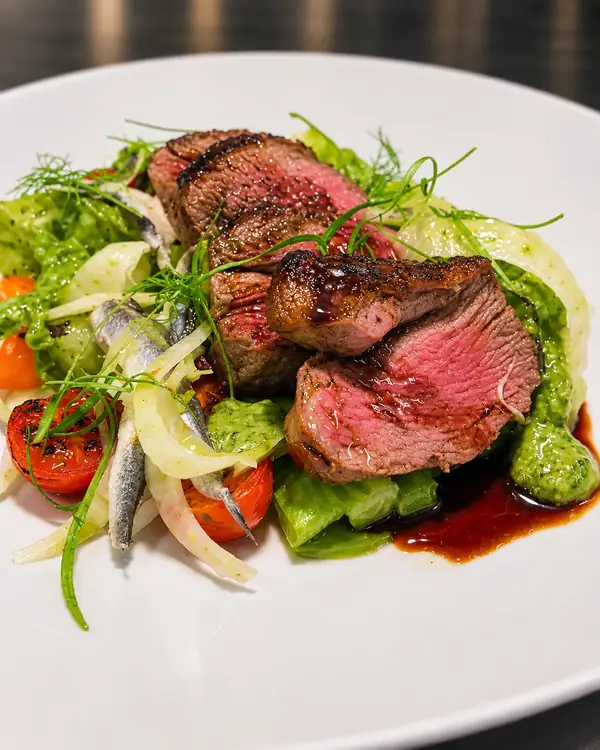
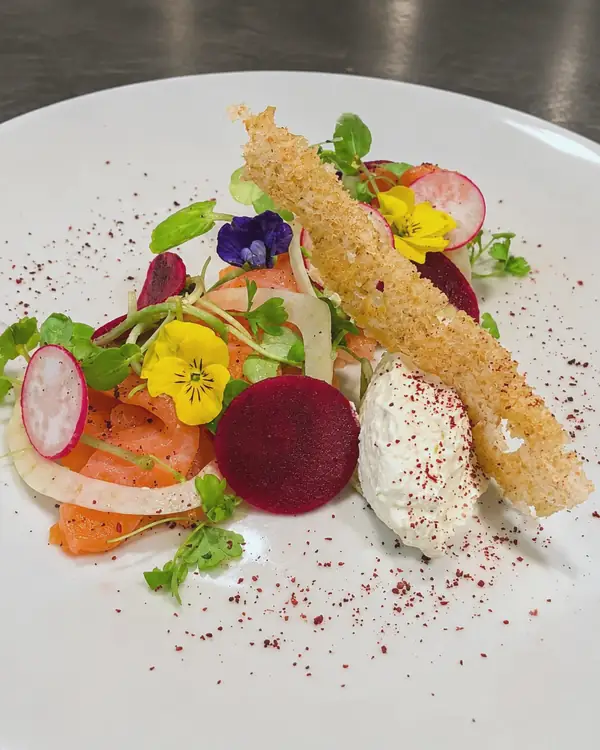
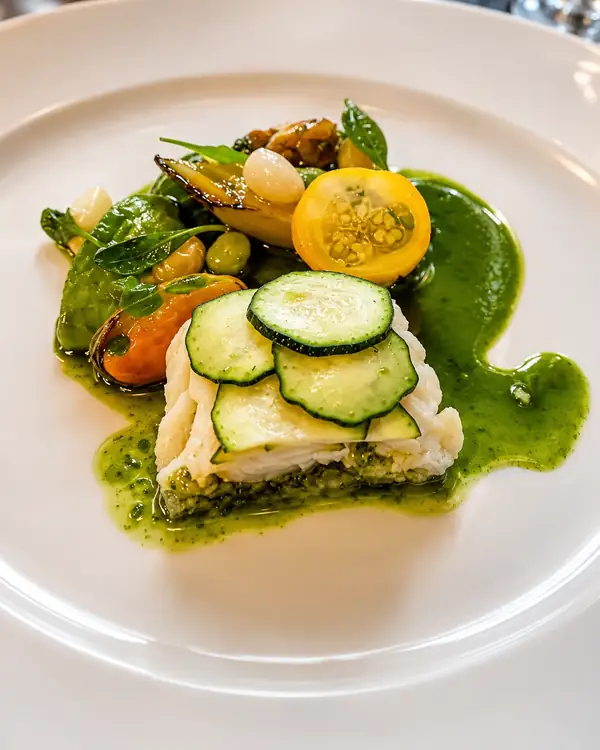
More dishes, and the results behind them

Related
Menu redesign, for acting on the scoring.
The full menu engineering guide.
Pricing a menu properly, opening a restaurant from the kitchen side, raising spend per cover, how to grow sales without giving the profit away, and what a menu costs in labour.
Profit per cover estimator.
By section: starters, main courses and desserts.
Bring your menu and your best guess
Tell me which dish you think is your worst performer. Twenty minutes, free, and we will find out whether you are right.