
Hotel menu engineering
A hotel is not one food business. It is five or six, sharing a kitchen, a stock room and a single GP line that averages them into something nobody can act on. Separating them is usually where the money is.
The averaging problem
Breakfast, the restaurant, the bar, room service, afternoon tea, weddings and conference catering have completely different cost structures, completely different price sensitivity and completely different volumes. Reported together they produce a food GP figure that is true and useless.
In practice one or two of those operations are usually subsidising the rest. Breakfast is frequently the worst offender, because it is priced into the room rate, costed once at launch and then never looked at again while the specification quietly gets more generous. Weddings and events are often the best, and are frequently under priced relative to the labour they consume.
Until each is scored on its own, any decision about pricing or specification is being made against a blended number that does not describe any of them.
Standards are the constraint, not the target
This is the part that makes hotel work different, and the part that most cost cutting exercises get wrong. In a Rosette kitchen the specification is the product. Trimming forty pence off a dish by dropping a component does not save money, it changes what you are selling, and the review that follows costs more than the saving.
I worked two separate spells at The Peacock at Rowsley, a 3 AA Rosette kitchen, as chef de partie on sauce, meat and fish and later as junior sous chef. Before that I was at Morley Hayes Dovecote at 2 AA Rosettes, and I came up through Rowley's in Baslow, the sister restaurant to Fischer's Baslow Hall, working alongside Max Fischer.
The AA awards Rosettes to roughly five percent of restaurants across the UK and Ireland, and three Rosettes and above sits in about the top ten percent within the AA Restaurant Guide. AA Restaurant Guide What that experience is evidence of is not commercial judgement. It is knowing which parts of a specification are load bearing and which are habit, which is exactly the judgement this work needs.
Where the margin usually is
- Yield, not substitution. A whole turbot at twenty two pounds a kilo is not twenty two pounds a usable kilo. Costing at purchase weight rather than usable weight understates premium dishes badly, and correcting it changes which dishes you thought were your problem.
- Cross utilisation across outlets. The same prepped item earning across breakfast, the bar and the restaurant is worth more than three separate preps, and it shortens the section without touching the guest offer.
- Function and wedding menus priced on food cost alone. They rarely carry their labour. Pricing them on cash margin per head instead of food cost percentage usually changes the answer.
- Breakfast specification drift. Costed at launch, plated more generously every year, and never re measured.
On the room rate
Breakfast being included does not make it free. It carries a real plate cost against a fixed contribution, so it behaves like a fixed price contract rather than an a la carte dish, and it needs costing that way. It is often the single largest unexamined food cost in the building.
Hotel menu engineering FAQs
Will this compromise our Rosette standard?
No, and if a recommendation would, it does not get made. The work targets yield, cross utilisation, mix and pricing, not the quality of what leaves the pass. A recommendation the head chef cannot defend is a bad recommendation regardless of what it saves.
Can you look at one outlet rather than all of them?
Yes. Breakfast or events on their own are common starting points, because both are usually costed once and then left. Splitting the reporting is often worth doing before anything else changes.
Our head chef will not welcome this. How do you handle that?
By having them in the room from the start. The head chef usually benefits most, because the work replaces an opinion about their food with a number about their menu. I came up through these kitchens and the conversation goes better for it.
Do you work with independent country house hotels?
Yes. Smaller independents often have the widest gap between theoretical and actual food cost, because there is no group finance function watching it weekly.
Food from this sector
Plates from 3 AA Rosette service, where the specification is the product and cost has to come from yield rather than substitution.
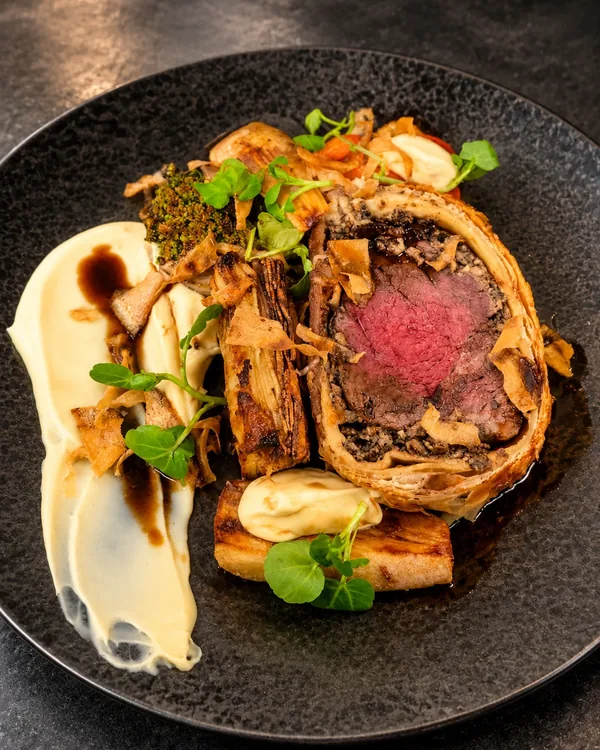
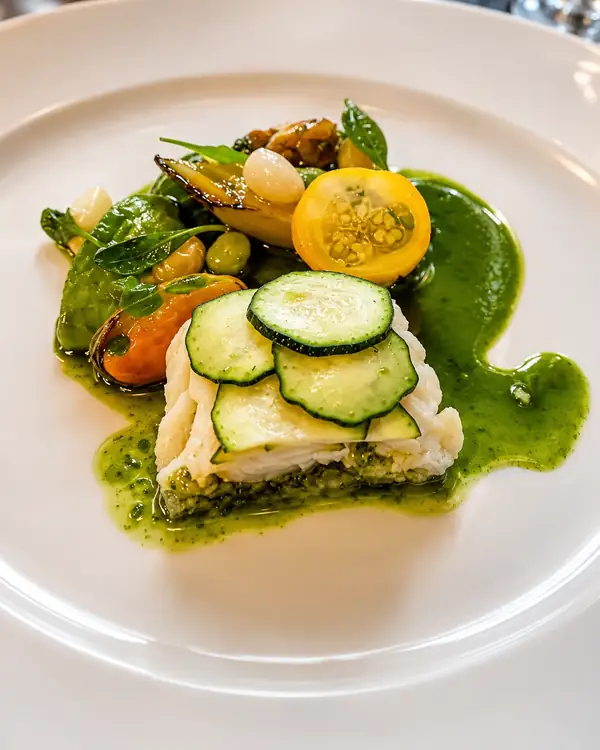
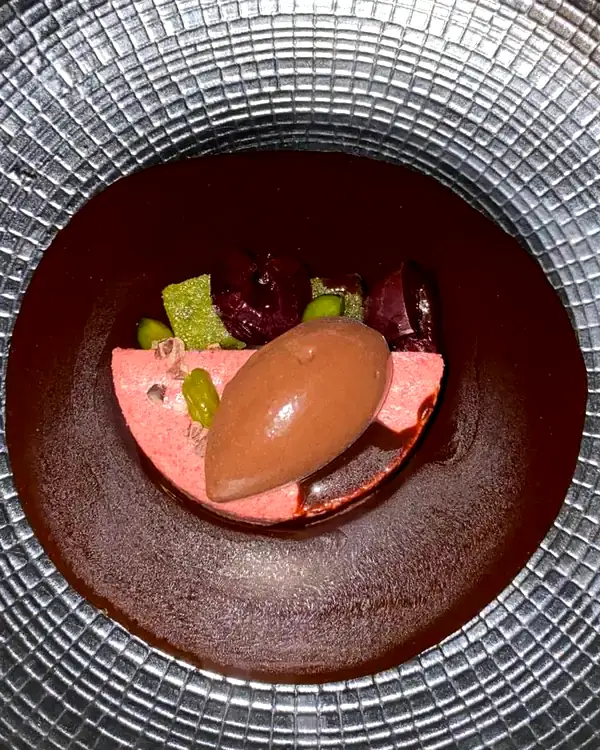
More dishes, and the results behind them

Related
Menu audit, scoring each outlet separately.
Recipe costing calculator, with a yield field for whole fish and butchery.
How to price a menu, which matters most where one kitchen feeds several outlets.
Spend per cover, calculated net of VAT and kept to food.
How I work, and what the Rosette credential does and does not prove.
By section: breakfast, starters and main courses. Also allergens and Natasha's Law, which matters most with banqueting and room service.
Start with the outlet you understand least
Usually breakfast or events. Twenty minutes, free, and you will know whether it is subsidising the rest of the building.