
Pub menu engineering
A wide fresh food menu at volume is the hardest thing in hospitality to cost accurately, and the easiest place to lose money without noticing. This is the sector I ran food in for five years, across seven sites.
Why pubs leak differently
A restaurant with fourteen dishes can be costed properly in an afternoon. A pub with a main menu, a specials board, a Sunday menu, a bar snack list, a kids menu and a Christmas menu is running well over a hundred live specifications, most written at different times by different people, against invoices that have moved since.
Three things follow from that, and they are consistent enough that I look for them first.
- The wet trade masks the food problem. Drink GP is high enough that a combined figure can look healthy while the kitchen loses money on half its menu. If your board reports one GP number, the food problem is invisible by construction. Split them.
- Volume multiplies small errors into large ones. At 800 covers a week, a dish understated by 90 pence is not a rounding error. It is real money leaving every week, and it will not show up as anything more dramatic than a slightly disappointing month.
- The specials board is almost never costed. It is where chefs are most creative and where the plate cost is least controlled, and on many sites it carries a meaningful share of covers.
What I was responsible for in this sector
Head chef in a multi site pub group from 2021 to 2026, running food development across seven sites, each serving over 800 covers a week on fresh food. That included bringing a further site into the same group standards.
Food gross profit at 70 percent, held month after month rather than hit once. The mechanism was weekly stock takes instead of an annual costing review, which is the single change that separates pubs holding their margin from pubs discovering in March what happened in October.
Up to 900 covers on a Saturday, which is where you find out whether a specification is realistic or merely correct. Five star EHO throughout, with monthly visits.
These are figures from roles I held as an employee, evidenced by references. They are not a forecast of what your site will do.
What the work looks like on a pub
- Split food and drink, then split food by menu. Main, specials, Sunday and functions behave differently and need scoring separately. A single blended number tells you nothing you can act on.
- Cost the live specification, not the document. On a busy pub section the plated portion and the written spec have usually drifted apart. That gap gets weighed, not assumed.
- Score the mix. Classify every dish on cash margin against share of sales. On a wide menu this normally shows a small group of dishes carrying the site and a long tail earning almost nothing while consuming prep, stock and section space.
- Cut the tail before touching prices. A shorter menu at the same prices usually earns more than a longer menu at higher prices, because it buys back prep time, reduces waste and tightens the section.
- Put weekly stock takes in place. Without them nothing above stays fixed past the next supplier price rise.
The multi site version
Across a group the same dish rarely costs the same at every site, because purchasing, portioning and waste differ. Scoring each site separately against a group specification tends to show that the problem is concentrated in one or two kitchens rather than spread evenly, which makes it far cheaper to fix.
Pub menu engineering FAQs
Our GP looks fine. Is there anything here for us?
If that is a combined food and drink figure, it is not evidence about the kitchen. Split them first. If food GP on its own is where you want it, the next question is whether it is being held by the menu or by one or two dishes selling in volume, because the second is fragile.
Do you work with tenanted and leased pubs?
Yes. Tied supply narrows what can change on purchasing, so the work shifts further toward specification, portioning, menu mix and waste. Those are usually worth more than the purchasing savings anyway.
Will you tell us to shorten the menu?
Often, but only where the numbers support it. The test is whether a dish earns its place in cash margin and covers, not whether the menu looks long. Some sites need the breadth for their trade and the answer there is different.
Can this work across a group rather than one site?
Yes, and it is usually better value that way. Group work compares sites against a shared specification, which surfaces where the variance actually sits.
Food from this sector
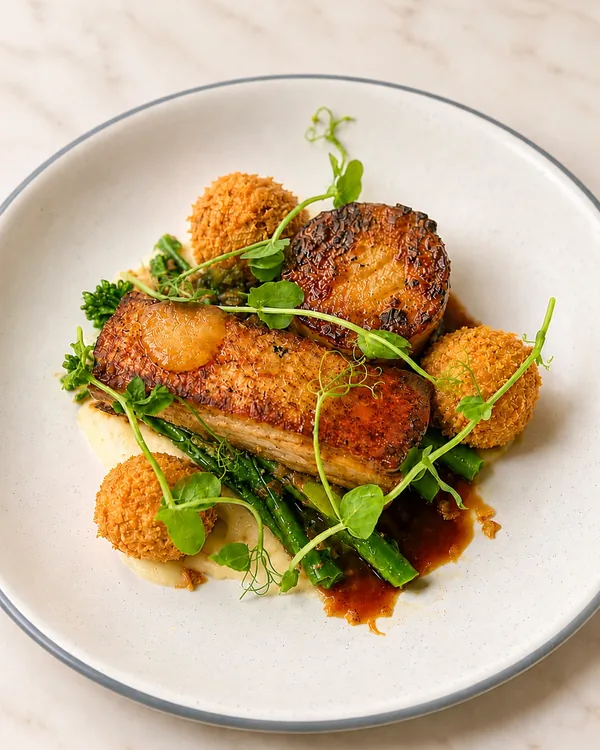
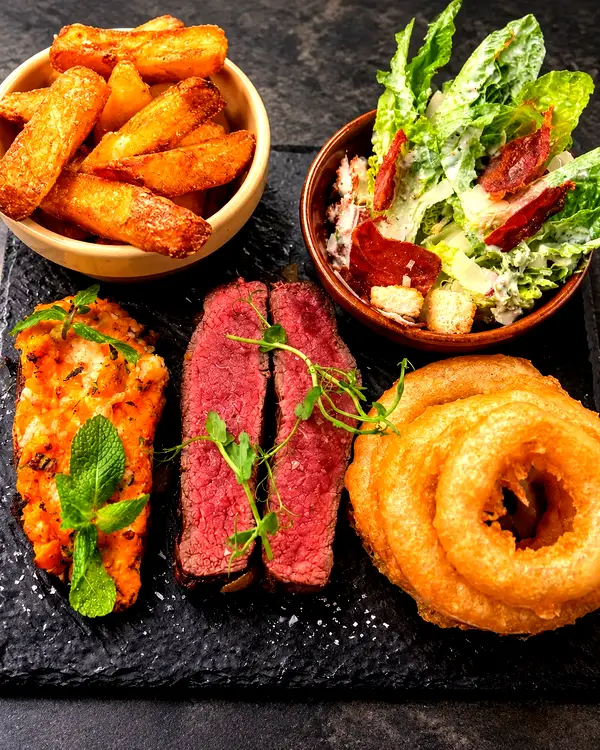
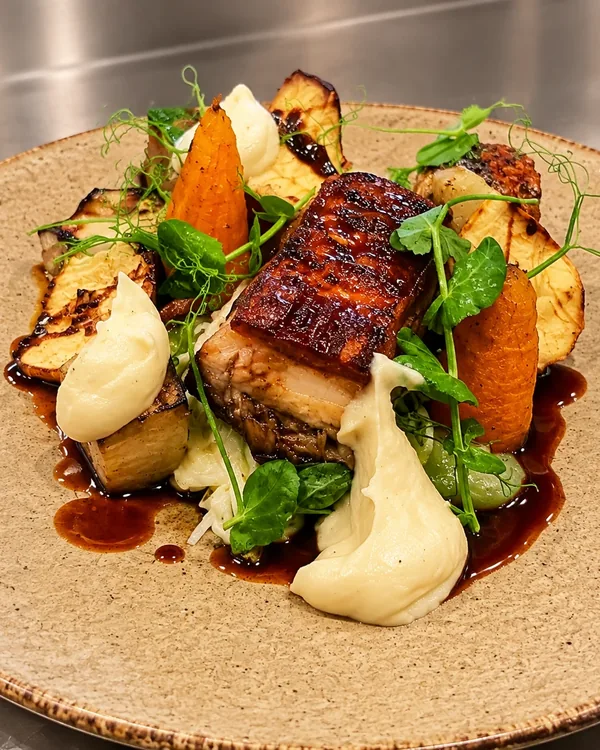
Dishes built for pub volume: specified so a section can hold them through a Saturday.
More dishes, and the results behind them

Related
Menu audit, the usual starting point.
The eleven leaks that show up on every audit.
How to price a menu, including the VAT step most guides skip.
Raising spend per cover, for the Sunday and the food-led trade.
Food cost calculator, to score a dish yourself first.
By section: main courses and lunch. Wet led sites should also read allergens and Natasha's Law.
Twenty minutes on your worst performing menu
Bring one menu and your last food GP figure. You will leave knowing where to look, whether or not you go further.